Why Sash Windows Deserve Restoration, Not Replacement
A painted-shut window, rattling glass, and a cold draft along the sill can make original sash windows feel like a problem waiting to be replaced. In a historic North Texas home, they are usually something better: well-made parts that can be repaired, weatherized, and returned to service without stripping the house of its character.
Full window replacement is not your only option. For homes built from roughly 1870 through 1940, restoration often preserves stronger old-growth wood, retains the proportions the home was designed around, and corrects the comfort problems homeowners live with every day.
What Makes Sash Windows Worth Saving
A traditional wood sash window is a working system, not a single piece of glass. The upper and lower sashes move within the frame, guided by side jambs and balanced by ropes, chains, springs, or cast-iron weights. Rails, stiles, muntins, glazing putty, stops, parting beads, and trim all work together to hold the glass, shed water, and allow the window to operate.
That construction matters because most problems are repairable at the component level. A loose pane does not require a new window. It needs proper glazing. A sash that will not stay open may need its cord or balance repaired. A soft lower rail may need a carefully fitted wood repair or a rebuilt sash, not a vinyl unit inserted into an opening that was never meant for it.
Historic windows were also built to be maintained. Their parts can be removed, repaired, repainted, and put back into service. Modern replacement windows are often treated as disposable assemblies. Once insulated glass seals fail, hardware breaks, or finishes deteriorate, repair choices can be limited.
The goal is not to preserve a window as a museum piece. The goal is to preserve the craftsmanship while making the window dependable in a lived-in home.
Why Replacement Changes More Than the View
Replacement sales pitches tend to focus on a single issue: energy efficiency. But old windows are not automatically inefficient, and a new unit is not automatically the best answer. Performance depends on the condition of the sash, the quality of the weatherstripping, the fit of the window, the glazing, and whether an exterior or interior storm window is present.
A replacement window can also change the appearance of a historic facade in ways that are obvious from the street. Modern units commonly have thicker frames, different glass reflections, altered muntin profiles, reduced glass area, and hardware that does not belong on a period home. Those differences can flatten the character of a bungalow, Craftsman, Tudor, Colonial Revival, or early twentieth-century cottage.
For homes in Dallas conservation and historic districts, the question is larger than personal preference. Original window openings, materials, and sightlines may be important to a preservation review. Replacing original windows can complicate approval, while a properly planned restoration respects the details that make the property historically significant.
There is a financial trade-off, too. High-quality replacement windows can be expensive, yet their expected service life is not indefinite. Restoring original sash windows is an investment in material the home already owns. The right choice depends on the window’s condition, but replacement should be a last option, not the opening move.
How Sash Window Restoration Solves Real Problems
A serious restoration begins with an assessment of the entire opening. Surface paint can hide failed glazing, water intrusion at the sill, broken cords, loose joints, or rot at the bottom of a sash. The visible complaint may be a draft, but the cause could be missing weatherstripping, a poor sash fit, failing putty, or exterior water being directed into the wall.
Repairing the sash, not covering the symptoms
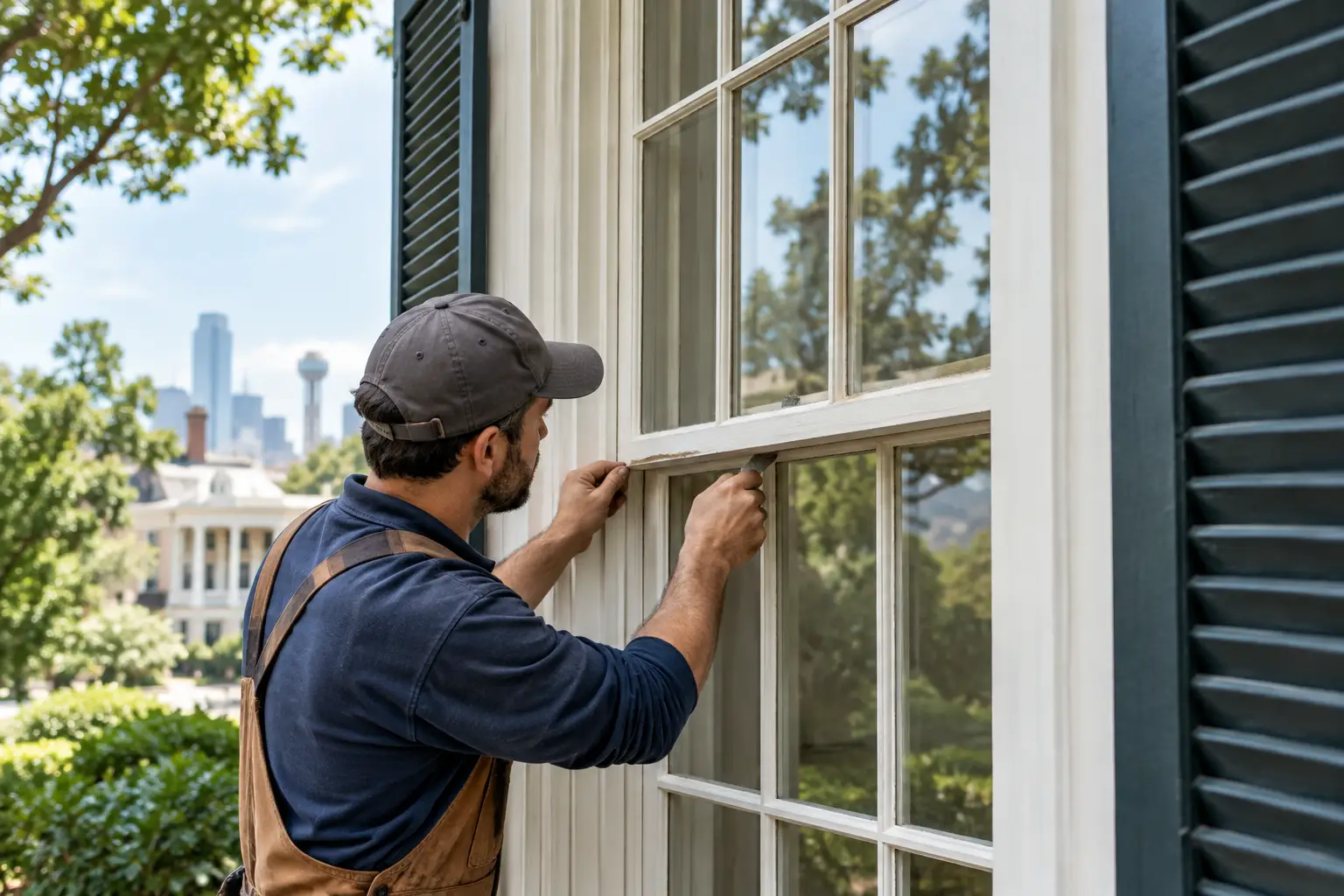
The work usually starts with careful disassembly. Each sash is removed so its joints, rails, stiles, muntins, and glass can be examined. Failed paint and loose putty are addressed, deteriorated wood is repaired or replaced with compatible material, and loose joinery is stabilized. Where a sash is beyond practical repair, a new wood sash can be fabricated to match the original profile and proportions.
Glass is reset and reglazed with appropriate linseed oil putty. This is not cosmetic work. Sound glazing holds the pane securely, helps keep water out of the wood, and creates the clean beveled sightline that belongs on a historic window. Once properly prepared, the sash receives a durable painted finish, often built up in multiple coats for lasting protection.
The surrounding frame deserves equal attention. Sills, brick mold, casing, stops, and trim can all contribute to water damage and drafts. A correct repair may include wood sill work, improved flashing above the opening, or restoration of exterior trim so rain is managed before it reaches vulnerable joints.
Making original windows operate again
A window that has been painted shut is not necessarily a failed window. Paint can be released without damaging the sash, and binding points can be corrected. Worn or broken sash cords can be replaced, pulleys serviced, and weights returned to proper operation. Where the system calls for another balancing method, the repair should be selected for function without erasing historic fabric unnecessarily.
The result should feel straightforward: the lower sash raises, the upper sash moves when designed to do so, and the window stays where it is placed. That everyday usability matters. Operable windows provide ventilation, make cleaning easier, and allow homeowners to use the house as it was intended.
Better Comfort Without Losing the Original Window
Draft reduction is where preservation and performance meet. Restored sash windows can be fitted with discreet weatherstripping at the meeting rails, jambs, and other contact points. Proper adjustment reduces air movement without making operation difficult. Fresh glazing and sound paint stop water from entering the wood and prevent further deterioration.
For added thermal and acoustic improvement, operable storm windows are often the practical answer. A well-fitted exterior storm adds another layer of protection while preserving the original sash behind it. It can reduce drafts, help moderate indoor temperatures, and soften street noise without changing the visible scale of the primary window.
Storms must be designed for the house, though. Off-the-shelf aluminum units can look out of place on a historic facade and may not fit unusual openings correctly. Period-appropriate wood storm windows, fabricated for the opening and made operable where needed, protect the original window while respecting the architecture.
Interior screens and exterior mosquito screens can be handled with the same care. A screen should fit the opening, serve its purpose, and avoid covering distinctive details with an awkward modern frame.
When Replacement May Be Necessary
Not every window can be saved in place. Severe structural deterioration, extensive loss of original material, major fire damage, or an opening that has already been altered beyond repair can call for a custom-built replacement sash or a more complete rebuild. Even then, the best solution is usually one that matches the home’s original profiles, wood species, glass layout, and operation as closely as possible.
The key distinction is between a thoughtful reproduction and a generic replacement unit. One restores the architectural language of the house. The other often asks the house to accommodate a product made for a different era.
Choose Restoration Work That Respects the Whole House
Historic window work should not be separated from the rest of the wall. Water management, trim condition, sill slope, exterior paint, flashing, and permit requirements all affect the finished result. A contractor who understands historic sash windows looks beyond the glass and identifies why the damage occurred in the first place.
That is especially valuable in older Dallas, Oak Cliff, Highland Park, University Park, McKinney, and Fort Worth homes, where original details vary from block to block and preservation requirements may apply. Ross Revival approaches each project as custom restoration work, because historic houses do not respond well to one-size-fits-all solutions.
Before agreeing to replacement, ask for a clear assessment of what is actually failing: the sash, the glazing, the cords, the sill, the weatherstripping, or the drainage around the opening. A window with decades of life left in it deserves more than a quick diagnosis. It deserves the skilled repair that lets it keep doing its job for generations to come.