Dallas Conservation District Window Restoration
A historic Dallas home can lose its character one replacement window at a time. Original wood sash windows were built to be repaired, adjusted, reglazed, and repainted over generations. Conservation & Historic District of Dallas window restoration protects that original craftsmanship while solving the problems homeowners feel every day: drafts, sticking sash, rattling glass, street noise, and rooms that never seem to hold a comfortable temperature.
Full window replacement is not your only option. For many homes built between 1870 and 1940, it is the option that creates the greatest long-term loss – in architectural integrity, repairability, and often the approval process required in a protected neighborhood.
Why historic districts care about original windows
Windows are not just openings in a historic facade. Their muntin patterns, sash proportions, glass appearance, trim profiles, and placement all contribute to the building’s architectural identity. A narrow meeting rail, true divided lights, wavy historic glass, or an original wood storm window may seem like a small detail on its own. Across an entire home, those details are the difference between a preserved historic property and one that simply looks updated.
Dallas Conservation Districts and Historic Districts use design standards to help protect that character. Exterior changes may be reviewed for visibility from the street, material compatibility, profile, operation, and overall effect on the home. Replacement vinyl windows, bulky modern frames, between-the-glass grids, and altered opening sizes can create problems because they rarely match the dimensions and visual depth of original wood windows.
That does not mean a homeowner is expected to live with failing windows. It means the repair should respect the home first. A properly restored wood window can operate smoothly, close tightly, shed water, and retain the details that made the house worth preserving in the first place.
Dallas historic district window restoration starts with diagnosis
A window that feels beyond saving is often suffering from a limited number of repairable conditions. Decayed lower rails, loose glazing, paint buildup, broken sash cords, failing putty, damaged sills, and out-of-square frames are common in North Texas homes. They require skilled work, but they do not automatically require replacement.
The right first step is a close assessment of each opening. Some sash need targeted repairs. Others need full disassembly and rebuilding. A sill may need a localized wood repair and improved flashing, while the sash above it remains sound. Treating every window as a replacement candidate is fast for a sales pitch, but it is not careful preservation.
At Ross Revival, the work is approached window by window. Original materials are retained wherever they are still doing their job. Deteriorated sections are repaired with compatible wood and traditional methods. This avoids the common mistake of removing durable old-growth wood simply because a small area has failed after decades of exposure.
What a complete restoration can include
A meaningful restoration goes beyond a fresh coat of paint. The goal is to return the whole window system to dependable service while protecting its original appearance.
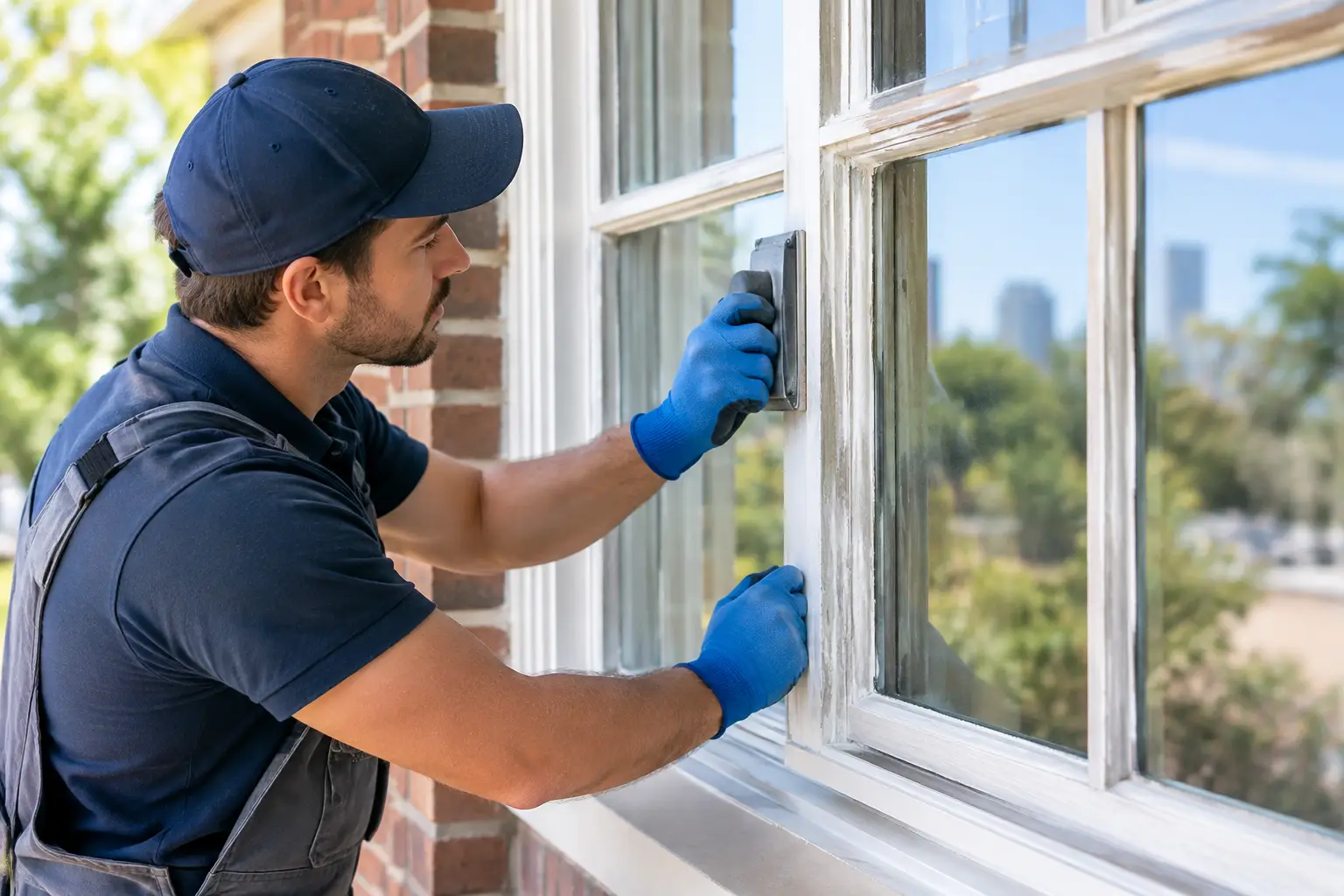
A sash may be removed, stripped of failing coatings, repaired, and rebuilt where necessary. Loose joints can be corrected, damaged rails or stiles can be repaired, and glass can be retained whenever practical. Reglazing with linseed putty restores a weather-resistant bed around the glass while keeping the correct historic appearance.
The sash then needs to operate as part of a system. Weight pockets, ropes, pulleys, jambs, stops, and hardware all affect how a window opens and closes. A properly balanced sash is easier to use, less likely to be forced, and more likely to stay functional for years. Finally, a durable three-coat urethane finish helps protect the restored wood from sun and moisture.
The surrounding opening deserves equal attention. Soft or split trim, deteriorated sills, missing drip details, and failed caulking can allow water to keep damaging a newly repaired sash. Wood trim and sill repairs, along with properly placed over-window flashing where appropriate, address the conditions that caused the failure instead of merely covering it.
Better comfort without changing the facade
The most common argument for replacement windows is energy efficiency. Historic homeowners do need better comfort and lower air leakage, but a replacement unit is not the only path to performance.
The largest comfort gains often come from restoring proper fit, repairing failed glazing, weatherstripping the sash, and adding a well-built storm window. When a wood sash closes squarely and an operable storm window is fitted to the opening, the air space between the two layers improves insulation and reduces drafts. Storm windows also help with street noise, wind-driven rain, and UV exposure on the primary sash.
Period-correct operable storm windows can be fabricated on site to suit the home rather than forcing a stock product onto an irregular historic opening. They can be designed to preserve sightlines, allow seasonal operation, and look appropriate from the street. The same care applies to mosquito screens and interior screens, which should serve the home without covering or damaging historic details.
There are trade-offs. A high-quality restoration is specialized work and can cost more upfront than a low-end replacement window. It also requires ongoing paint maintenance, just as the original windows always did. But restored wood can be repaired again in the future. Many modern replacement units are sealed systems with limited repair options, and their expected service life may be far shorter than the wood windows they replace.
Permit support is part of preserving the work
In a Conservation District or Historic District, the best repair plan can still be delayed if it does not account for local review requirements. The level of review depends on the neighborhood, the scope of work, and whether changes are visible from a public street. Repairing existing windows is generally a different conversation from replacing them with a new material or altered profile.
Homeowners should not have to guess which details may matter. Clear documentation of existing conditions, proposed repairs, materials, profiles, and storm-window design can make it easier to present a preservation-minded plan. Familiarity with City of Dallas Conservation and Historic Areas approval helps keep the work aligned with the home and the district from the beginning.
This is especially valuable when a project includes visible exterior changes such as new storm windows, rebuilt trim, replacement sash components, or stained-glass repairs. The objective is not paperwork for its own sake. It is to avoid spending money on a solution that may be questioned later or diminish the historic value of the property.
When replacement may be warranted
Preservation should be practical, not automatic. A window may need extensive rebuilding after long-term water intrusion, severe structural damage, or previous alterations that removed most of the original material. In some cases, a carefully matched wood sash or component is the right answer.
Even then, the standard should be to match the original as closely as possible in species, profile, dimensions, divided-light configuration, and operation. A replacement component is very different from replacing the entire window opening with an off-the-shelf unit. The question is not simply whether wood is damaged. The question is how much original fabric can be saved, and what repair will perform well for the next generation.
Choose work that honors the house
Historic windows are a working part of a historic home, not a decorative liability. With experienced repair, correct materials, weather protection, and custom storm solutions, they can be quieter, tighter, easier to operate, and far more durable than their current condition suggests.
Before agreeing to replacement, ask for an assessment that treats the original sash as an asset. The right restoration plan preserves the craftsmanship, eliminates the drafts, and leaves your home looking like it has belonged on its street all along.