McKinney Window Renewal for Historic Homes
A window that sticks, rattles, or lets cold air through is frustrating. On a historic home, it can also prompt a costly mistake: removing original sash that has served the house for a century. McKinney window renewal gives owners of older homes another path. The right restoration can preserve the wavy glass, old-growth wood, and proportions that belong to the home while correcting drafts, failing paint, loose glass, and difficult operation.
Full window replacement is not your only option. For a well-built wood window, restoration is often the more responsible decision – for the home’s character, its long-term maintenance, and its comfort.
Why Original Windows Deserve a Closer Look
Many homes in and around McKinney were built with wooden windows made from dense, old-growth lumber. That material is different from much of the fast-grown wood used today. When maintained correctly, it can outlast replacement units by decades. The problem is rarely that an old window is beyond saving. More often, deferred maintenance has allowed paint failure, open glazing joints, moisture exposure, or damaged sash cords to turn a repairable window into an apparent replacement candidate.
Original windows also carry architectural information that cannot be ordered from a catalog. The muntin profile, meeting-rail shape, glass thickness, sash proportions, and casing details were chosen for that specific house. Replacing them with a standard insulated unit can flatten the exterior appearance and change the way light moves through the room. On a home with a defined historic character, that loss is visible from the street and felt inside.
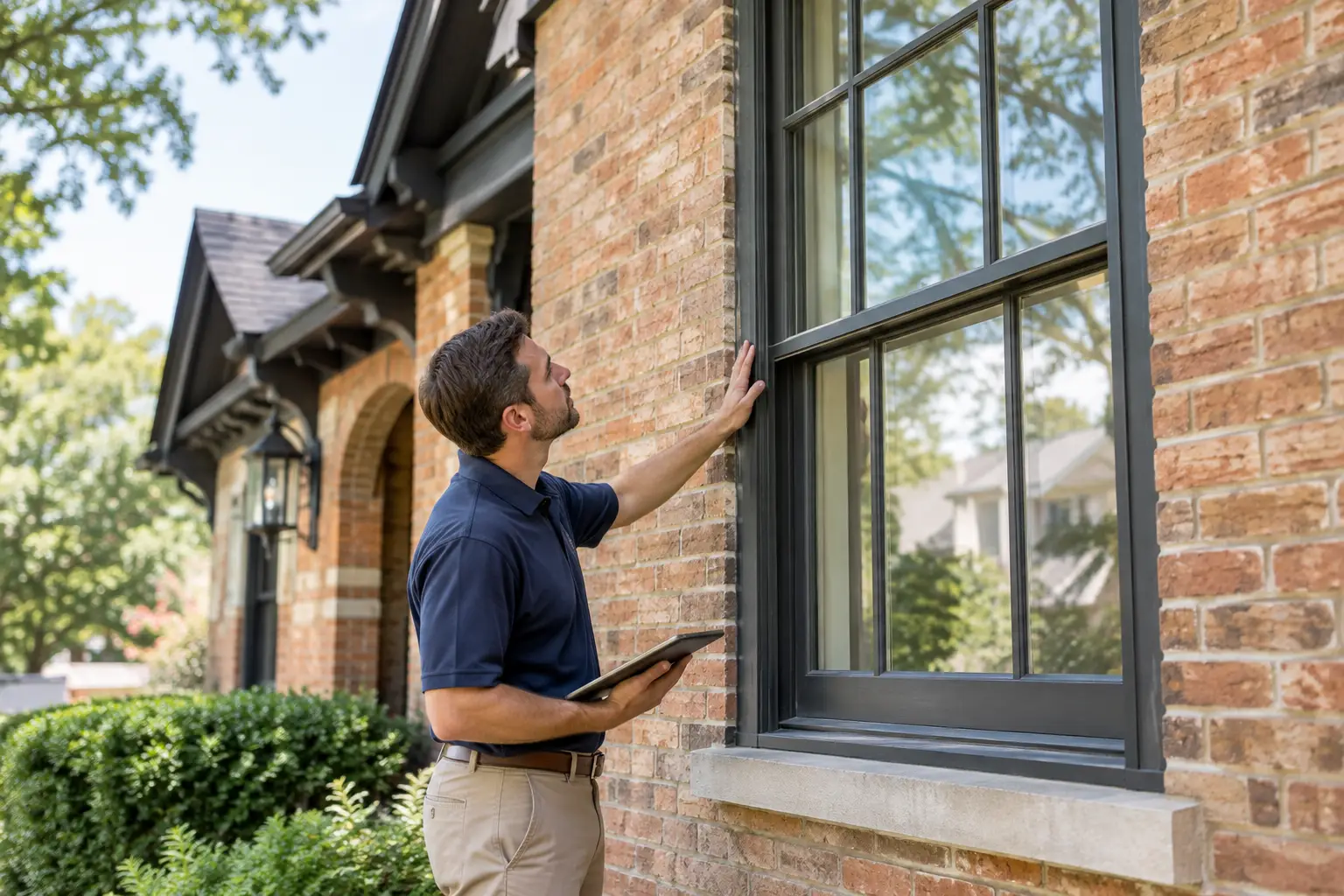
A restoration assessment should begin with the actual condition of each opening, not a sales pitch. Some sash need minor reglazing and paint work. Others need sill repair, lower-rail reconstruction, new ropes or chains, or careful epoxy consolidation of localized wood damage. A window with extensive deterioration may need a rebuilt sash. The answer depends on the window, not a one-size-fits-all package.
What McKinney Window Renewal Should Include
True window renewal is more than painting the exterior. Paint can make a window look better for a season, but it will not correct failed putty, decayed joinery, loose glass, or air gaps around the sash. A proper restoration addresses the entire working assembly.
The process typically starts by documenting the existing sash and trim, then carefully removing the sash for inspection. Old paint is stripped where necessary without erasing the wood profiles that make the window distinctive. Damaged sections are repaired or rebuilt to match the original joinery. Loose or cracked panes are reset, and glazing is renewed with appropriate linseed-oil putty so the glass is properly bedded and protected.
Just as important, the sash must work again. That can mean repairing weight pockets, replacing sash cord, tuning the fit, and freeing painted-shut components. A restored double-hung window should open, close, and stay in position as intended. It should not require a shoulder against the sash or a prop stick to hold it open.
The finish system matters as well. Historic wood needs a durable coating that manages North Texas sun, rain, and temperature swings without trapping moisture in the frame. Careful priming, caulking in the right locations, and a quality multi-coat finish protect the restoration work and make future maintenance more manageable.
The draft problem is usually fixable
Homeowners often assume single-pane glass is the main source of discomfort. In many old windows, the larger issue is uncontrolled air leakage. Gaps at the meeting rails, worn parting beads, missing stops, failed glazing, and poorly fitted sash allow outside air to move freely around the window.
Weatherstripping and accurate sash fitting can make a substantial difference. So can restoring the glazing seal and repairing gaps in surrounding trim. These measures improve comfort without altering the window’s visible character. A room that once felt cold near the glass can become far more usable in winter, and air-conditioned air stays where it belongs during a hot McKinney summer.
Storm Windows Add Performance Without Erasing Character
For many historic homes, operable storm windows are the strongest performance upgrade available. A well-designed exterior storm creates a second layer of protection against air movement, rain, dust, and street noise while leaving the original sash in place. It can also reduce the strain on the primary window finish.
The word “storm” sometimes brings to mind bulky aluminum panels with obvious tracks. That is not the only option. Custom wood storm windows can be fabricated on site to match an opening’s dimensions and historic sightlines. They can be designed with interchangeable screen panels for mosquito season or arranged to operate with the primary windows.
Storm windows involve trade-offs. They require thoughtful detailing, periodic upkeep, and a design that allows drainage and ventilation. On the right home, however, they provide an excellent balance of preservation and comfort. They also avoid the irreversible step of cutting back original trim or altering openings to accept modern replacement units.
When Repair Becomes Rebuilding
Not every original sash can be repaired with a small patch. Water intrusion at a sill, failed flashing above an opening, or decades of neglected paint can cause deeper deterioration. Even then, replacement does not have to mean replacing the whole window system with a new vinyl or composite unit.
A skilled restoration contractor can rebuild a damaged sash or fabricate a missing component to match the original profile. Sill repairs, jamb work, trim reconstruction, and over-window flashing often solve the underlying moisture problem that caused the damage in the first place. Repairing the source matters. Otherwise, a new piece of wood will face the same failure conditions as the old one.
This is where workmanship shows. Historic window work requires more than filling soft wood and applying paint. The repair needs sound joinery, compatible materials, correct drainage, and profiles that belong to the house. The goal is not to make a 1920s window look newly manufactured. The goal is to make it sound, functional, and ready for another long service life.
Consider Preservation Requirements Before Ordering New Windows
If your home is in a conservation or historic district, visible exterior changes may require review before work begins. Replacement-window proposals can create complications when grille patterns, frame widths, colors, or materials do not match the original construction. Even outside a designated district, preserving original windows can protect the architectural consistency that supports a home’s value and curb appeal.
A restoration plan is often easier to defend because it retains the historic fabric of the home. That does not mean every repair is simple or inexpensive. Extensive wood reconstruction and custom storms are skilled, hands-on work. But comparing only the initial price of a replacement unit misses the point. The better comparison considers service life, maintenance, comfort, appearance, permit requirements, and the cost of losing original details that cannot be put back.
Ross Revival approaches this work as a family craft, with restoration decisions based on what the house needs rather than what is easiest to sell. For homes built between 1870 and 1940, that distinction matters.
Start With the Windows You Have
Before approving a replacement proposal, have the existing windows evaluated one opening at a time. Look for sound wood beneath failed paint, sash that can be returned to operation, original glass worth retaining, and moisture issues that need correction. Ask how glazing, weatherstripping, finish preparation, and storm protection will be handled. Clear answers separate cosmetic work from a real restoration plan.
Your historic windows do not need to remain drafty, stuck, or neglected to remain original. With careful renewal, they can keep doing the job they were built to do while preserving the craftsmanship that made the home worth owning in the first place.