
How to Stop Window Drafts Without Replacing Them
A cold line of air at the window seat, curtains that stir on a still day, and rooms that never seem to hold their temperature are not reasons to discard original windows. Learning how to stop window drafts starts with finding the actual opening. In a historic home, the answer is rarely a single tube of caulk. It is a careful combination of sound wood, working sash, intact glazing, correct weatherstripping, and well-fitted storm windows.
For homes built between 1870 and 1940, original wood windows were designed to be repaired. Their components can be disassembled, restored, and tuned to close properly again. Full window replacement is not your only option, and it often costs a home the craftsmanship that made it worth preserving.
Why historic windows feel drafty
A draft is air moving through a gap, but the gap may not be where it appears. With double-hung wood windows, outdoor air commonly enters at the meeting rails, along the side jambs, beneath the bottom sash, around deteriorated glazing, or through cracked joints in the sash itself. Failed paint, rotted sill material, and missing exterior flashing can add water problems to the mix.
Windows can also feel cold without having a major air leak. Single panes do not insulate like modern insulated glass, so the glass surface becomes cold in winter and warm in summer. That radiant discomfort is real, but it calls for a different solution than sealing a gap. A properly fitted operable storm window creates an insulating air space and reduces both heat transfer and air infiltration without removing the original sash.
Before any repair begins, distinguish between air leakage, glass temperature, and moisture damage. Treating every problem with caulk can trap water, glue an operable sash shut, and hide deterioration that needs a proper repair.
How to stop window drafts by finding the leak
Start on a windy day. Move your hand slowly around the perimeter of the sash, especially where the two sashes meet and where the lower sash meets the sill. A thin strip of tissue paper can help reveal movement. Look closely for daylight at the meeting rail or side channels, cracked glazing putty, loose panes, peeling paint, and sash that rattle in their openings.
Then test operation. A sash that has been painted shut, drops suddenly, binds in the jamb, or will not fully close cannot seal well. In many older homes, years of paint buildup and neglected cords or weights leave the sash out of alignment. The resulting gap may be small, but it is enough to create a noticeable draft and bring in street noise.
Check the condition of the wood from the exterior as well. Soft sills, open corner joints, and failed exterior coatings allow water into the window assembly. In North Texas, hard sun, sudden rain, and seasonal movement place real stress on old wood. The right repair is to remove unsound material, rebuild the affected area with compatible wood, and protect it with durable paint and flashing details where needed.
If paint may date to before 1978, do not dry-sand or scrape it casually. Historic window work should use lead-safe preparation practices that protect the household and contain dust.
Restore the sash before sealing it
Weatherstripping works only when the sash is square, stable, and able to close against it. That is why a lasting draft solution often begins with full sash restoration rather than a quick add-on.
A proper restoration removes the sash for inspection, addresses loose mortise-and-tenon joints, repairs decayed wood, and replaces broken glass when necessary. Old, failed glazing is removed and the panes are reset with traditional linseed-oil putty or another appropriate glazing system. Once cured and painted, the glass is held securely, water is directed away from the wood, and the sash regains the stiffness it needs to operate correctly.
The sash should also be tuned to the opening. The rails and stiles may need careful adjustment, and the pulley, cord, chain, or balance system must support the sash so it stays where it is placed. A window that closes fully and remains closed is the foundation for every other draft-control measure.
This work preserves more than appearance. Original old-growth sash components are often worth saving because the wood is dense, repairable, and visually matched to the rest of the home. Replacing them with a generic modern unit changes sightlines, trim relationships, and the character of the facade.
Use weatherstripping made for wood windows
Once the sash operates correctly, weatherstripping closes the small gaps that remain. For historic double-hung windows, spring bronze is often the preferred long-term material. It is durable, paintable, and suited to the movement of wood sash. Properly installed, it creates gentle pressure at the jambs and rails without making the window difficult to use.
Weatherstripping may be placed along the side jambs, at the meeting rails, and at the bottom rail, depending on the window’s condition and configuration. The goal is not to make the window airtight at the expense of operation. Wood moves with humidity, and a system that is too tight can cause binding or scrape away fresh paint.
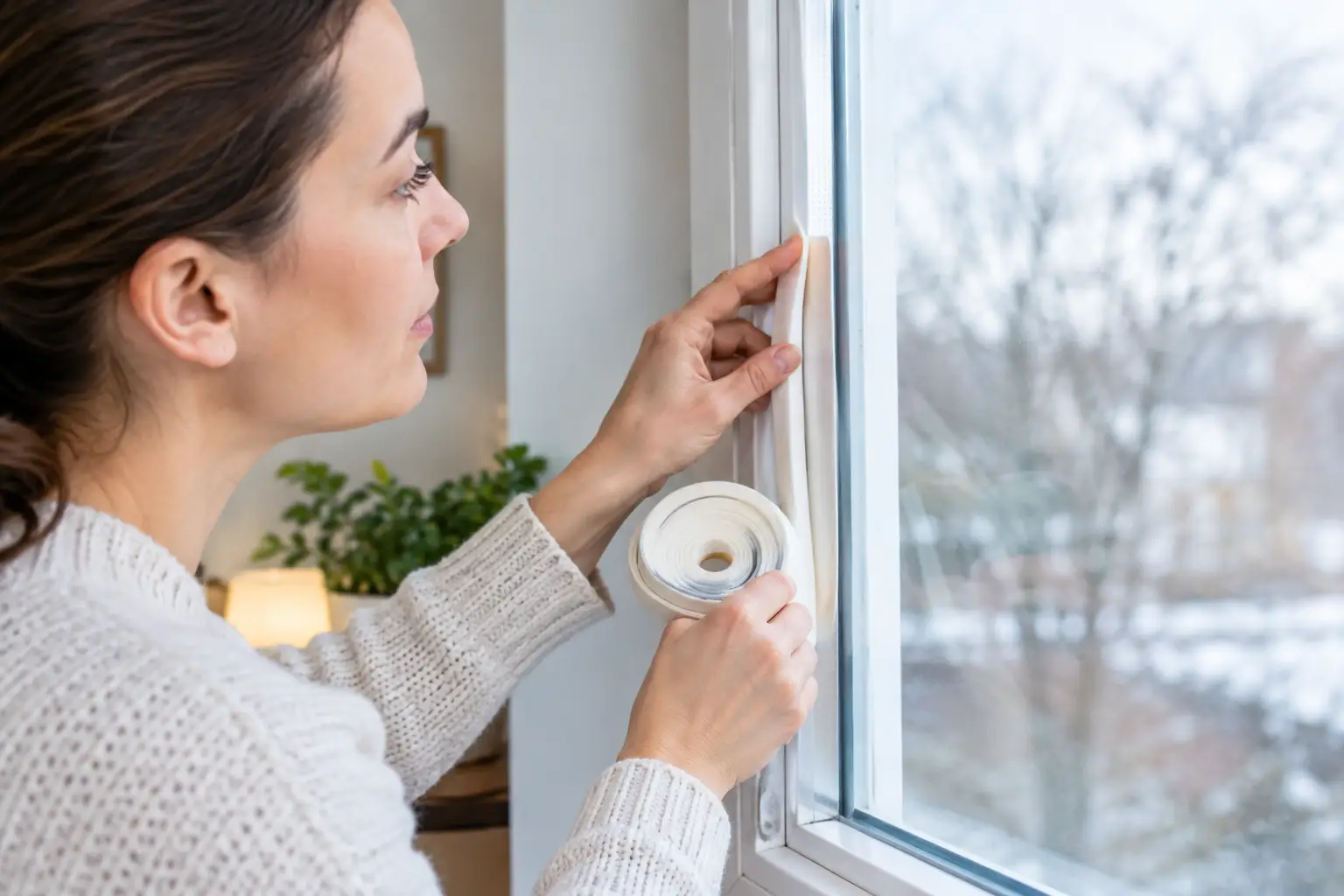
Adhesive foam tape can help as a short-term measure on a low-value or rarely opened window, but it is not the same as a fitted restoration. Foam compresses, collects dust, and often fails after a season or two. It can also look out of place on a carefully maintained historic sash.
Avoid caulking the perimeter of an operable sash. Caulk belongs at fixed exterior joints where it is appropriate, not in the channels that allow the window to open. If a window has been sealed shut with caulk or heavy paint, it may stop a draft temporarily while creating an operational problem that is harder to correct later.
Add storm windows for the biggest comfort gain
For many historic homes, period-correct storm windows deliver the most noticeable improvement in comfort. A well-built storm window adds a second barrier to wind, reduces the cold or hot surface effect of single glass, and can cut outside noise. It protects the original sash from weather, too.
The details matter. A storm window should fit the opening precisely, drain correctly, and be designed so the original window can still be maintained. Operable storm windows are especially valuable when homeowners need ventilation, want to open upper and lower sash, or need mosquito screens during mild weather.
Exterior storms are usually the strongest choice for weather protection, but interior storm panels can make sense where an exterior change is restricted or where a homeowner wants an almost invisible seasonal solution. In a Dallas Conservation or Historic District, the correct approach depends on the home, the visibility of the window from the street, and local approval requirements. A period-appropriate design is often easier to support than a replacement window that changes the opening permanently.
Do not overlook the sill, trim, and wall connection
Not every apparent window draft comes through the sash. Air can enter behind loose interior casing, through gaps where trim meets plaster, or at a failing exterior sill. If the window itself is restored but the surrounding opening is compromised, the room may still feel uncomfortable.
Exterior trim and sill repairs should be approached carefully. The goal is to correct failed joints and decayed areas while preserving profiles that belong to the house. Over-window flashing can be equally important when water is finding its way behind trim. Stopping water intrusion protects the repairs that make draft control possible.
Interior trim gaps can be sealed selectively after investigating the source of the air movement. This is a good place for targeted caulk or backing material, but only after confirming that moisture is not entering from the exterior. Sealing the indoor side of a wet wall cavity does not solve the cause.
Temporary measures while you plan proper work
If a restoration project is not scheduled until later, use temporary measures that do not damage the window. Draft snakes at the sill, removable interior window film, and heavy curtains can reduce discomfort during a cold spell. These are practical stopgaps, especially for a room that is used infrequently.
They are not a substitute for repairing failed glazing, decayed wood, or loose sash. Plastic film can also obscure the appearance of fine old windows, and it prevents normal operation for the season. Use it deliberately, not as a permanent answer.
Historic windows do not need to be tolerated as drafty relics. With sound sash repairs, correctly installed weatherstripping, restored glazing, and custom storm windows, they can remain beautiful, functional parts of the home. For homes that deserve better, Ross Revival approaches comfort as part of preservation – because the best way to keep original windows is to make them work well enough to live with every day.