Historic Window Energy Efficiency That Lasts
A cold draft at the meeting rail, rattling glass during a North Texas storm, and rooms that never seem to hold their temperature can make original wood windows feel like a liability. They are not. Historic window energy efficiency improves dramatically when the window is repaired as a complete system: sound wood, properly fitted sash, intact glazing, weather seals, and a well-built storm window.
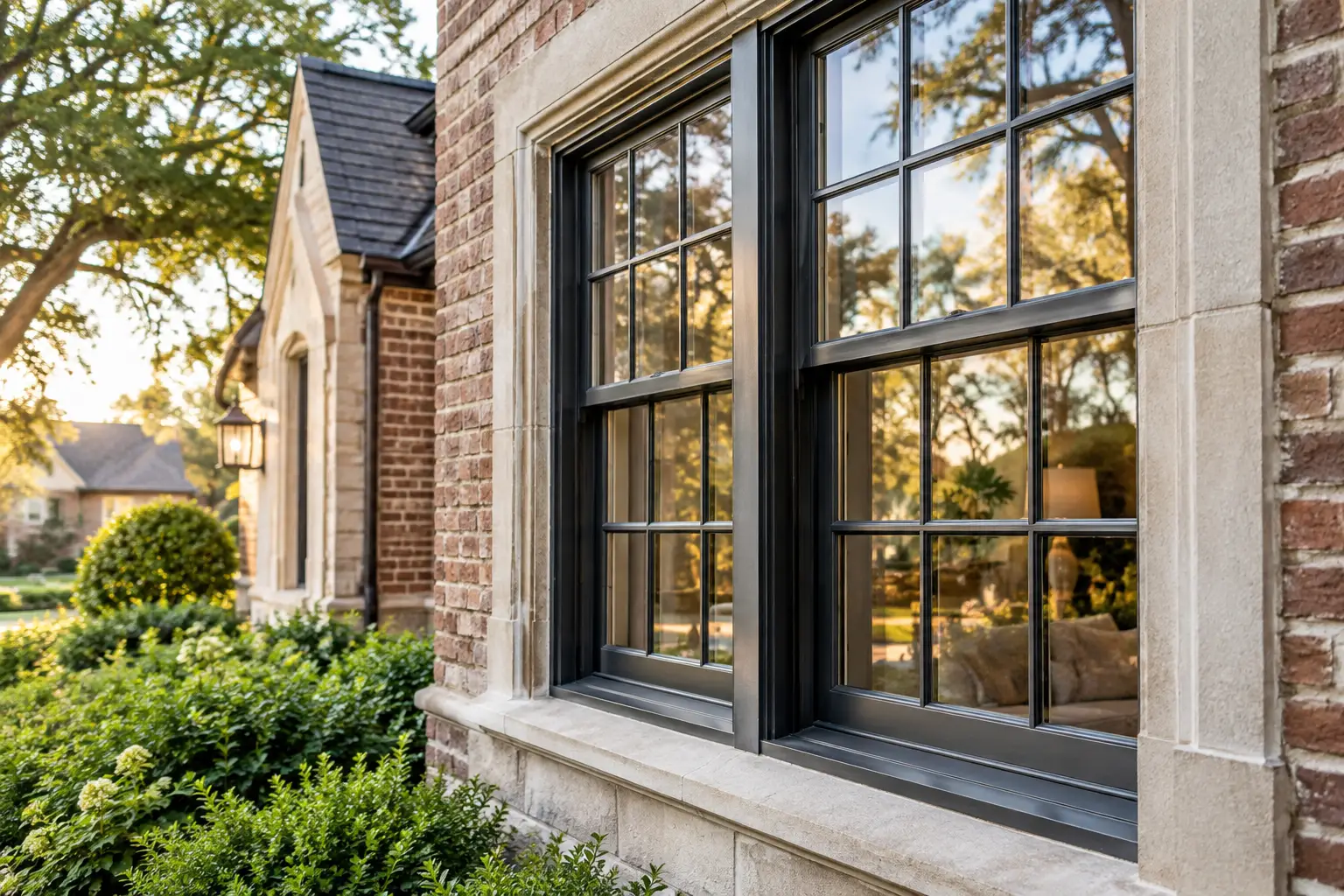
Full window replacement is not your only option. For a home built between 1870 and 1940, replacement often removes original materials that have already lasted generations while introducing profiles, divided lights, and finishes that do not belong on the house. Restoration preserves the craftsmanship and addresses the reasons the windows are uncomfortable in the first place.
Why Historic Windows Lose Energy Performance
Old windows are often blamed for energy loss simply because they are old. Age is not the real problem. Deferred maintenance is.
A traditional double-hung wood window relies on several parts working together. The sash must sit squarely in the frame. The rails and stiles need to be solid enough to hold the glass without movement. Glazing putty must seal the glass to the sash, and the sash must close tightly at the meeting rail, side jambs, and sill. When paint buildup, failed putty, worn cord systems, rot, gaps, or warped components disrupt that fit, outside air finds a path indoors.
Single-pane glass does transfer more heat than insulated glass units. That is a fact. But in many historic homes, uncontrolled air leakage is the more immediate comfort problem. A window with loose sash, missing glazing, and open gaps will feel cold and drafty regardless of how much original character it carries. Repairing those defects changes the result.
The same principle applies to summer performance. In Dallas, Oak Cliff, Highland Park, and other North Texas historic neighborhoods, air-conditioned air escapes through gaps just as readily as heated air does in winter. Restored windows help rooms maintain a more consistent temperature, especially when paired with appropriate shading and storms.
Historic Window Energy Efficiency Starts With Repair
Energy performance is not a product you install in one afternoon. It is the result of careful work at every weak point of the original opening.
Restore the sash before sealing it
A proper restoration begins with an honest assessment of the wood. Deteriorated rails, stiles, muntins, sills, and trim may require repair or selective rebuilding. Sound original wood should be retained whenever possible. Old-growth lumber is often denser and more stable than readily available modern material, which is one reason historic sash can remain serviceable for a century or more.
The sash should be removed, disassembled where necessary, repaired, and fitted back into the opening. A window that is out of square or binding in its tracks cannot close correctly. Likewise, a sash painted shut may appear tight but is not functioning as designed. Restoring smooth operation gives homeowners control over ventilation while allowing the sash to seat properly when closed.
Reglaze to stop air and water at the glass line
Glazing putty is more than a cosmetic detail. It creates the weather seal between the glass and wood sash. When putty cracks, separates, or falls away, air and moisture can reach areas that should be protected. That can lead to loose panes, wood deterioration, and water intrusion around the glass.
Careful reglazing with traditional linseed-oil putty restores this critical seal while retaining original glass whenever possible. Wavy historic glass is part of a home’s character. It also does not need to be discarded simply because the surrounding putty has failed.
After repairs and reglazing, a durable painted finish protects the wood from sun and moisture. The finish is not decoration alone. It is part of the window’s weather defense.
Add weather seals without changing the window’s character
Weatherstripping can make a substantial difference when it is selected and installed correctly. The goal is to reduce air movement around the operable sash without making the window difficult to open, damaging historic profiles, or creating a modern-looking patchwork of materials.
The best approach depends on the window’s condition and construction. A sash with severe distortion needs fitting work before weatherstripping will perform well. A window with a sound sash but worn parting beads may need a different repair than one with gaps at the meeting rail. There is no single strip of adhesive foam that solves every historic window problem.
A restoration specialist evaluates the whole assembly: sash fit, stops, parting beads, pulleys, cords, weights, locks, and sill condition. That is how drafts are eliminated without turning an original window into something it was never meant to be.
Storm Windows Deliver the Biggest Upgrade
For many historic homes, a well-made storm window is the most effective way to improve comfort while preserving original sash. It creates a second layer of protection and a still-air space that reduces heat transfer. It also blocks wind-driven drafts and can soften exterior noise.
A storm window should not be treated as an afterthought. Poorly fitted aluminum storms can obscure muntin patterns, trap moisture, interfere with operation, and change the appearance of a carefully preserved facade. Historic homes deserve better.
Period-correct operable wood storm windows can be fabricated on site to match the opening, trim, and visual rhythm of the original windows. When designed properly, they respect the architecture instead of covering it. Operable configurations also allow homeowners to ventilate the house when weather permits, while screens provide seasonal insect protection.
Interior storms can be a useful choice in certain rooms, particularly where exterior appearance cannot be altered or where extra sound control is needed. However, interior solutions must be carefully fitted and managed to avoid condensation issues. The right choice depends on the home, the historic district requirements, and how each room is used.
What Restoration Can and Cannot Do
Restoration produces meaningful gains in comfort, durability, operation, and air control. It can reduce drafts, help stabilize indoor temperatures, protect original materials, and improve the way a home feels day to day. Combined with well-fitted storm windows, restored historic windows can perform far better than their reputation suggests.
It does not turn single-pane sash into a modern triple-pane unit. Homeowners deserve a clear answer on that point. If a room has extreme sun exposure, no attic insulation, uninsulated walls, or a failing HVAC system, windows are only one part of the energy picture. Heat gain through a roof or air leakage through an attic can outweigh what is happening at the glass.
That does not make window restoration a lesser choice. It means the work should be evaluated in context. A preservation-minded plan may include sash restoration, storms, selective shading, attic air sealing, and insulation improvements where appropriate. This approach protects the house as a complete building rather than replacing one historic element and hoping it solves every comfort issue.
Preservation Requirements Are Part of the Work
Owners in Dallas Conservation and Historic Districts often have another concern: what will be approved? Window replacement can trigger scrutiny when it changes profiles, materials, muntin patterns, or visible exterior details. Restoration is usually the more natural path because it retains the original components and appearance.
Still, preservation work requires care. A storm window, screen, sill repair, trim replacement, or exterior flashing detail should be designed to fit the home and the applicable guidelines. The best work is nearly invisible from the street because it looks like it has always belonged there.
Ross Revival approaches historic windows as repairable assemblies, not disposable units. That distinction matters when original sash is part of the architecture, the value of the property, and the story of the home.
A historic window should not force you to choose between authenticity and comfort. With skilled restoration, properly sealed sash, and custom storm protection, you can keep the wood, glass, proportions, and craftsmanship that made the home worth saving – and enjoy a house that works better every season.